Mormon Cricket (Anabrus simplex)
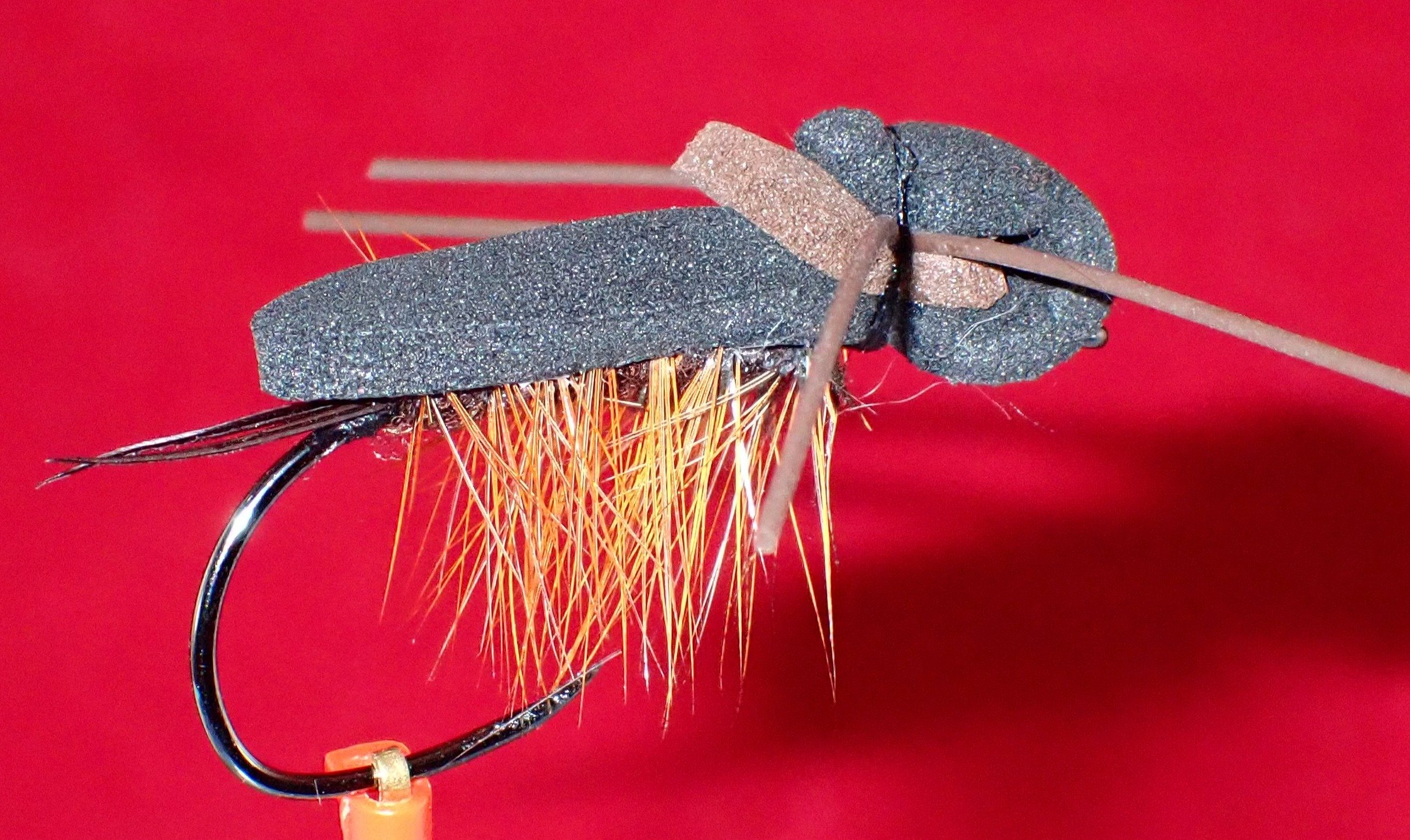
By Unknown, submitted by Mike Cline.
Description
The Mormon cricket (Anabrus simplex) is a large insect native to western North America in rangelands dominated by sagebrush and forbs. Anabrus is a genus in the shield-backed katydid subfamily in the Tettigoniidae family, commonly called katydids and bush crickets Its common name, "Mormon cricket," is a misnomer: true crickets are of the family Gryllidae. The Mormon cricket takes its common name from the prominent role it played in the story of the miracle of the gulls after the Mormon settlers in Utah had encountered them while pushing westward. Although flightless, the Mormon cricket may travel up to two kilometers a day in its swarming phase during which it may encounter bodies of water. The large insects are a common sight in summer and fall in the sagebrush flats and foothills bordering SW Montana rivers during summer and fall when the sagebrush is blooming. Although black specimens seem the most common, Mormon Crickets also come in various shades of brown and deep green.
Tying Process
Many Mormon Cricket patterns use deer hair for grasshopper style wings, but the Mormon Cricket is wingless and only displays a shield pad on its back. The bodies should be tied with a robust amount of dubbing as these insects are usually very plump.
Materials
- Abdomen: Dry Fly Dubbing or Kapok
- Body: 3mm Foam
- Hackle: Dry fly hackle
- Legs: Vinyl or rubber
- Thread: Biots or rubber or deer hair
- Thread: UTC 140 Black
Hooks
- Firehole 718 #4-6